

Micro-immunotherapy for children
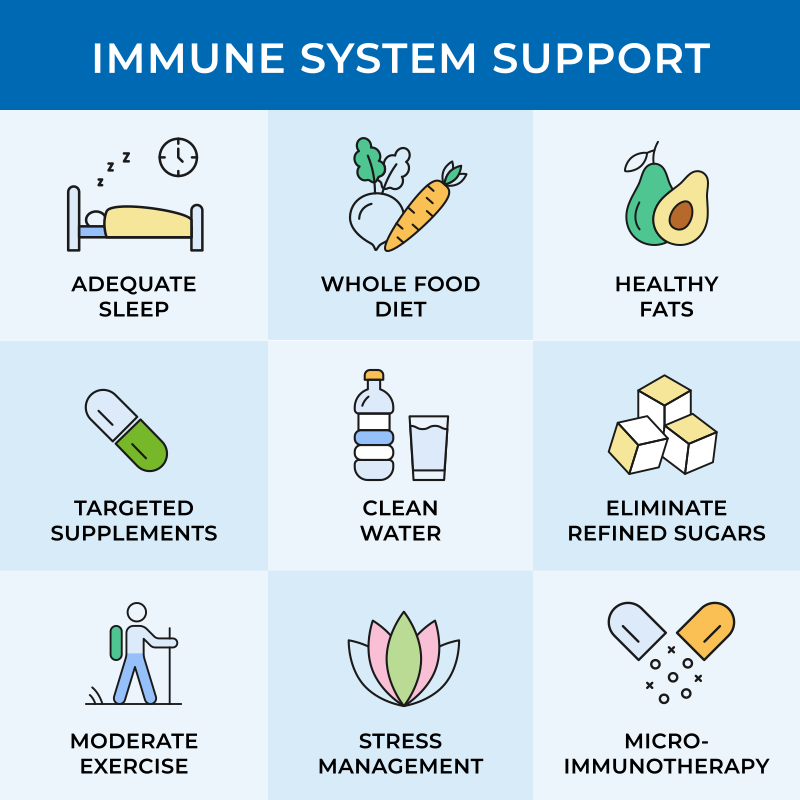
Micro-immunotherapy has been a game changer for many of our patients
Brainstorm Health® offers Micro-immunotherapy for children. Led by Stella Chadwick, every practitioner in the team has completed training in this approach.
Below, we explain what Micro-immunotherapy involves and how we assess whether it is appropriate for an individual child. Published research papers and a sample report are available at the end of this page.
What is Micro-immunotherapy?
Whether micro-immunotherapy is appropriate is considered individually, taking account of the child’s medical history and existing care.
We review the specific formulation alongside any medicines, supplements or other interventions before making a recommendation. Dosing instructions are provided individually for the formulation recommended.
The therapy is delivered as capsules that are opened up and emptied under the tongue. The granules inside the capsules are made from sugar, similar to homeopathic preparations, and dissolve easily. This makes it particularly easy to give children. They are delivered in packs of 30 and are numbered and must be taken in sequence.
Micro-immunotherapy uses preparations containing low or ultra-low doses of substances involved in immune signalling.
The Immune system
In order to understand micro-immunotherapy, it’s good to have a working knowledge of the immune system. The immune system is a complex network in our body dedicated to defending against internal and external threats. This network works day and night to identify and fight harmful bacteria, viruses and parasites, as well as aged and damaged cells, to keep us healthy.
The video below introduces the immune system and micro-immunotherapy.
(Video opens in a new tab)
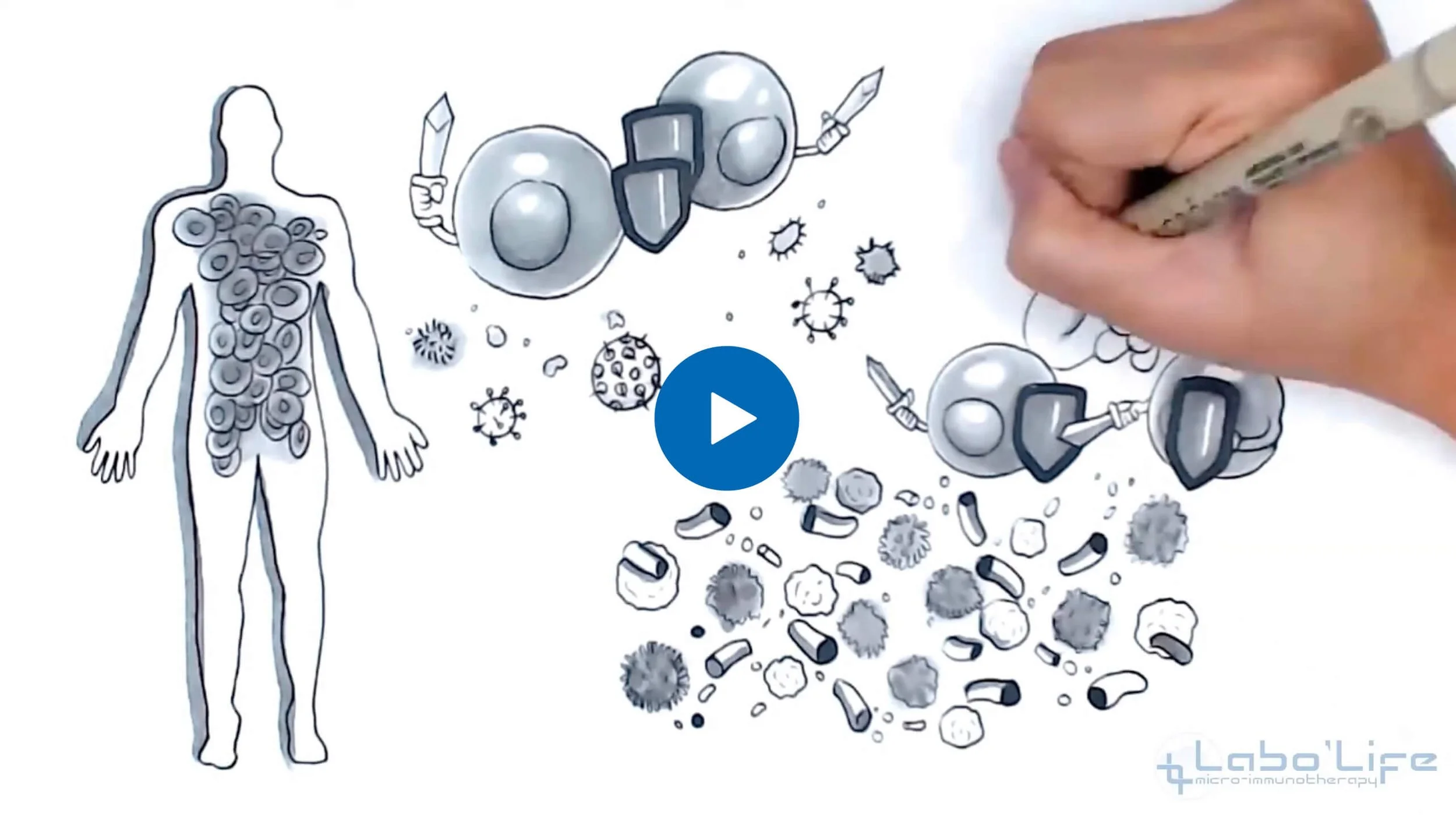
The immune system is constantly adapting and is influenced by factors such as genetics, lifestyle and environment. At Brainstorm Health® we develop individual plans informed by each child’s history, nutritional assessment and relevant test results.
Assessing the Health of the Immune System
Where appropriate, Brainstorm Health® uses laboratory tests to assess specific markers relating to immune function. Tests are selected according to each child’s history and health concerns.
These may include:
Differential blood count: measures the numbers and proportions of different white blood cells.
Lymphocyte typing: measures specific groups of immune cells, including T cells, B cells and natural killer cells.
Protein and inflammatory markers: provide information about the specific proteins and markers of inflammation included in the panel.
Infection serology: measures antibodies to particular infections. Results require interpretation and do not necessarily establish an active infection or reactivation.
HLA typing: identifies inherited HLA types associated with certain conditions. These associations do not, on their own, establish a diagnosis.
We consider results alongside the child’s history, symptoms and existing medical care when developing recommendations. Micro-immunotherapy may be considered individually where appropriate.
History of Micro-immunotherapy
Micro-immunotherapy was developed by Belgian physician Dr Maurice Jenaer. Its development during the 1970s coincided with growing interest in the immune system’s chemical messengers, including cytokines, growth factors, hormones and neurotransmitters.
Jenaer explored the sublingual administration of low doses of DNA and RNA, later extending his work to other substances involved in immune signalling. These investigations formed the basis of the approach now known as micro-immunotherapy.
About Micro-immunotherapy
-
What the preparations contain
Micro-immunotherapy uses preparations containing low or ultra-low doses of substances involved in immune signalling.
-
Suitability and ingredients
We consider the specific formulation, your child’s medical history and any medicines or supplements they take before making a recommendation. Ingredients and suitability should be checked for each product.
-
Following the prescribed sequence
Some formulations contain numbered capsules intended to be taken in a particular sequence. Follow the instructions provided for the specific product recommended.
-
Reviewing recommendations
We review recommendations at follow-up appointments, taking account of any changes in symptoms, tolerability and existing medical care.
-
How it is taken
The capsule is opened and the granules placed under the tongue, following the instructions for the specific formulation.
-
Different formulations
Micro-immunotherapy preparations come in different formulations. We discuss the specific product being considered and its instructions before making a recommendation.
If you would like to discuss whether Micro-immunotherapy is appropriate for your child, please get in touch with us.
Patient Testimonials
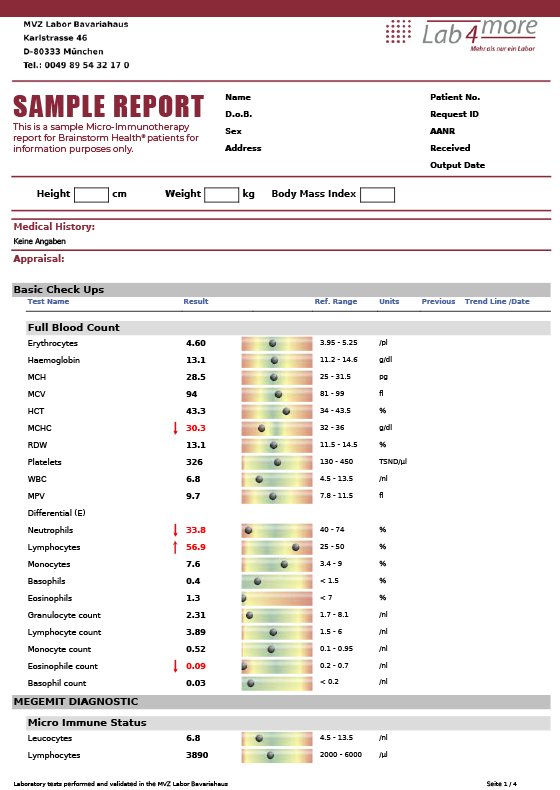
Sample Laboratory Report
This sample report shows one of the laboratory panels we may use. It requires a blood sample, which we can help arrange when ordering the test. The panel recommended for your child may differ according to their history and the information needed. This example is for general information and does not indicate what your child’s results would show.
Understanding the Immune System
The sections below explain different aspects of the immune system and its relationship with health.
-
A child’s immune system continues to develop during the early years of life. Antibodies passed from mother to baby provide some protection in the first months, while the child’s own immune responses develop. [1, 2]
Children’s immune responses differ from those of adults, which can affect their susceptibility to infections. Immune development provides useful background for understanding childhood health, but does not establish whether a particular therapy is effective or appropriate for an individual child.
References:
Levy O. Innate immunity of the newborn: basic mechanisms and clinical correlates. Nature Reviews Immunology. 2007;7:379-390.
Ygberg S, Nilsson A. The developing immune system - from foetus to toddler. Acta Paediatrica. 2012;101:120-127.
-
The body is regularly exposed to viruses, bacteria and parasites. The immune system helps defend against these microorganisms, although some infections cause illness even when immune function is normal.
Certain viruses, including Epstein-Barr virus, can remain inactive in the body after the initial infection and may later reactivate. Reactivation does not always cause symptoms. [1]
Researchers have also investigated relationships between infections and autoimmune disease, including mechanisms such as molecular mimicry and persistent infection. These relationships are complex and do not mean that a previous infection explains an individual child’s symptoms. [2]
References:
Centers for Disease Control and Prevention. About Epstein-Barr Virus (EBV).
Fujinami RS, von Herrath MG, Christen U, Whitton JL. Molecular mimicry, bystander activation, or viral persistence: infections and autoimmune disease. Clinical Microbiology Reviews. 2006;19(1):80-94.
-
The intestines do more than digest food and absorb nutrients. They also form a barrier between the contents of the gut and the rest of the body.
Several components work together:
Microbiota: the microorganisms living in the intestines interact with the immune system and contribute to the development and regulation of immune responses. [1]
Intestinal mucosa: the gut lining allows nutrients and fluids to be absorbed while helping restrict the passage of harmful organisms and substances.
Gut immune system: immune cells in the intestines help defend against pathogens while maintaining tolerance to food and resident microorganisms. [1, 2]
Changes in the gut microbiota and intestinal barrier have been studied in relation to inflammatory and autoimmune conditions. These relationships are complex: an association does not establish that a gut finding causes an individual child’s symptoms or that changing it will treat their condition. [1, 2]
References:
Petersen C, Round JL. Defining dysbiosis and its influence on host immunity and disease. Cellular Microbiology. 2014;16:1024-1033.
Richards JL, Yap YA, McLeod KH, Mackay CR, Mariño E. Dietary metabolites and the gut microbiota: an alternative approach to control inflammatory and autoimmune diseases. Clinical & Translational Immunology. 2016;5.
-
The nervous and immune systems interact through chemical signals, including neurotransmitters and cytokines. Researchers study these interactions to understand how immune activity and inflammation relate to brain health.
Research has examined immune processes in Parkinson’s disease and Alzheimer’s disease, and differences in cytokine levels in people with major depression. [1-3] These findings concern particular conditions and populations; they do not establish that micro-immunotherapy treats neurological or psychological conditions or slows disease progression.
References:
Kannarkat GT, Boss JM, Tansey MG. The role of innate and adaptive immunity in Parkinson’s disease. Journal of Parkinson’s Disease. 2013;3(4):493-514.
Boutajangout A, Wisniewski T. The innate immune system in Alzheimer’s disease. International Journal of Cell Biology. 2013;2013:576383.
Myint AM, Leonard BE, Steinbusch HWM, Kim YK. Th1, Th2, and Th3 cytokine alterations in major depression. Journal of Affective Disorders. 2005;88(2):167-173.
-
The skin is the body’s largest organ and forms a protective barrier between the body and the outside world. Skin cells, immune cells and resident microorganisms work together to maintain this barrier and respond to infection or injury. [1]
Skin health is influenced by genetics, environmental exposures and immune activity. Researchers also study relationships between intestinal microorganisms and skin conditions, although the mechanisms connecting the gut and skin are not fully understood. [2]
These relationships do not establish that a skin condition is caused by an immune deficiency or gut imbalance, or that micro-immunotherapy will treat it.
References:
Belkaid Y, Segre JA. Dialogue between skin microbiota and immunity. Science. 2014;346(6212):954-959.
Vaughn AR, Notay M, Clark AK, Sivamani RK. Skin-gut axis: The relationship between intestinal bacteria and skin health. World Journal of Dermatology. 2017;6(4):52-58.
-
The immune system and bone health are closely connected. In inflammatory rheumatic conditions, immune activity can affect joints and the balance between bone formation and breakdown. [1, 2]
Bone health in these conditions is influenced by several factors, including inflammation, nutrition, mobility and some medicines. The contribution of each factor varies according to the condition and the individual. [1, 2]
These references explain relationships between inflammation and bone health. They do not establish that micro-immunotherapy prevents joint damage, slows bone loss or changes the course of rheumatic disease.
References:
Hardy R, Cooper MS. Bone loss in inflammatory disorders. Journal of Endocrinology. 2009;201(3):309-320.
Bultink IEM, Vis M, van der Horst-Bruinsma IE, Lems WF. Inflammatory rheumatic disorders and bone. Current Rheumatology Reports. 2012;14(3):224-230.
-
Periodontitis is an inflammatory disease affecting the tissues and bone that support the teeth. Bacteria in dental plaque trigger immune and inflammatory responses that can contribute to tissue damage. [1]
Researchers have also examined associations between periodontal disease and inflammatory bowel disease. These relationships do not mean that gum disease indicates an intestinal condition or a general immune deficiency. [2]
Periodontitis requires dental assessment and treatment. The references below explain disease mechanisms and associations; they do not establish that micro-immunotherapy treats periodontitis or restores bone growth.
References:
Cekici A, Kantarci A, Hasturk H, Van Dyke TE. Inflammatory and immune pathways in the pathogenesis of periodontal disease. Periodontology 2000. 2014;64(1):57-80.
Lira-Junior R, Figueredo CM. Periodontal and inflammatory bowel diseases: Is there evidence of complex pathogenic interactions? World Journal of Gastroenterology. 2016;22(35):7963-7972.
-
The vaginal microbiota and local immune defences contribute to vaginal health. The microorganisms present vary between individuals, and researchers continue to investigate how they interact with the immune system. [1]
Changes in the natural balance of vaginal bacteria can cause bacterial vaginosis. Symptoms such as unusual discharge, irritation or pain can have different causes and should be assessed by an appropriate healthcare professional. [2]
Research into vaginal microbiota does not, by itself, establish that micro-immunotherapy treats gynaecological conditions or prevents infections.
References:
Krishna SBN, Wilson SL, Adam JK. The vaginal microbiota in women health and disease: current understanding and future perspectives - a review. Current Trends in Biotechnology and Pharmacy. 2017;11(2):190-205.
NHS. Bacterial vaginosis.
-
An allergy occurs when the immune system reacts to a substance that is usually harmless, such as pollen, animal dander or particular foods. These substances are called allergens.
Allergic reactions involve immune cells and chemical messengers. Mast cells can release histamine and other substances that contribute to inflammation and symptoms such as sneezing, itching and watery eyes. The processes involved vary according to the type of allergy. [1-3]
The references below explain allergic mechanisms. They do not establish that micro-immunotherapy prevents allergic reactions, treats their underlying causes or replaces prescribed allergy treatment.
References:
Amin K. The role of mast cells in allergic inflammation. Respiratory Medicine. 2012;106(1):9-14.
Bachert C. The role of histamine in allergic disease: re-appraisal of its inflammatory potential. Allergy. 2002;57(4):287-296.
Ellenbogen Y, Jiménez-Saiz R, Spill P, Chu DK, Waserman S, Jordana M. The initiation of Th2 immunity towards food allergens. International Journal of Molecular Sciences. 2018;19(5):1447.
Micro-immunotherapy Research
The papers below explore different aspects of micro-immunotherapy. Their findings need to be considered in relation to the formulation, population and outcomes studied.
Year / Title
2023 / Atopic March Study
2023 / Anti Inflammatory Study
2022 / Immunostimulant Effect Study
2022 / Colon Carcinoma Study
2021 / Immune Modulation Effect of 2L-EID
2021 / Chronic Inflammation in Rheumatology Study
2020 / Periodontal Disease Study
2020 / Rheumatoid Arthritis Study
2020 / Pollen Allergy Study
2020 / Sub-Micron Particles Study
2019 / Parkinsons Study
2019 / Neuronal Ageing Study
2017 / Dental Surgery Recovery Study
2017 / 2LARTH® Study
2016 / Endometriosis Study
Year / Title
2016 / Rheumatoid Arthritis Study
2016 / Polycystic-Ovary Syndrome Study
2016 / Nonneuronal Cholinergic System Study
2016 / Psoriasis Study
2016 / Feline HPV Study
2016 / HPV Study
2015 / Vitiligo Treatment Study
2015 / Vitiligo Study
2015 / Colon Cancer Study
2013 / Intestinal Inflammation Study
2012 / Lung Cancer Study
2012 / High Risk Human Papillomavirus Study
2011 / Allergic Rhinitis Study
2009 / Allergic Asthma Study
2000 / HPV Study

How can we help?
We are an award-winning functional medicine clinic with dedication to the latest advances in holistic and biomedical therapies. Our team would be happy to discuss how we can help. Get in touch and one of our practitioners will be in touch to arrange a call.